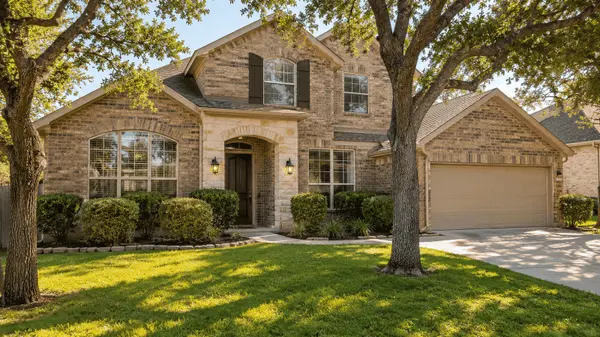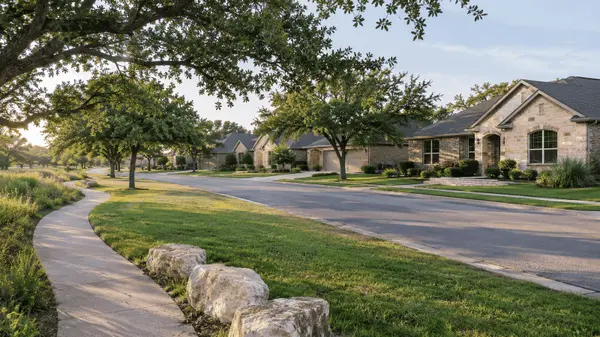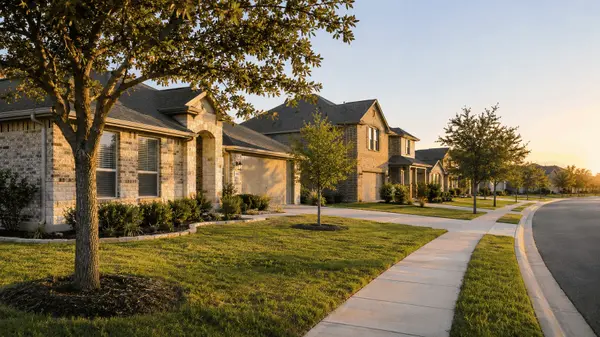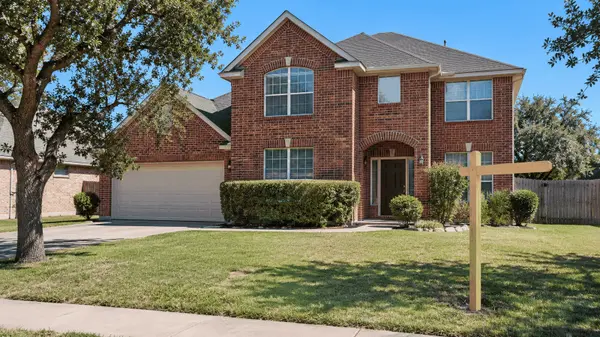
Avery Ranch, Austin TX: A Buyer's Guide

Evaluating Avery Ranch, Austin TX requires looking beyond standard marketing descriptions to examine property covenants, daily transit routes, and long-term resale factors. Prospective home buyers can assess neighborhood infrastructure, review essential association governing documents, and confirm school district boundaries before submitting an offer in this northwest Austin master-planned community.
Key points
- Examining listing details and community governing documents clarifies architectural rules before submitting a purchase offer.
- Evaluating daily driving routes during peak hours reveals true transit conditions to regional employment centers.
- Confirming property attendance zones directly with local school districts helps verify preliminary marketing sheets.
How should buyers evaluate an Avery Ranch listing and its HOA records?
Evaluating a property listing in this northwest Austin neighborhood requires looking past marketing descriptions to examine recorded documents, parcel boundaries, and association governance. Reviewing these underlying records protects buyers from unexpected assessments or architectural limitations before closing on a purchase.
- Property lines, recorded easements, and drainage buffers are verified on the plat map rather than assumed from fences or marketing remarks.
- Utility service providers and billing arrangements are confirmed directly for water, power, and trash services.
- The declaration of covenants, conditions, and restrictions is reviewed to confirm architectural guidelines for future exterior improvements or landscaping projects.
- City building permit records and association deed restrictions are examined independently, since municipal code compliance does not evaluate neighborhood architectural rules.
- Association financial statements and reserve fund balances are evaluated to assess the funding level for maintaining shared amenities.
- Current operational budgets are reviewed to verify recurring operating expenses alongside planned capital allocations.
- Meeting minutes from recent association board sessions are read to identify upcoming repair projects, common-element issues, or active contract discussions.
- Resale disclosure certificates are checked for outstanding violations, unpaid balances, or pending transfer fees tied to the parcel.
- Specific watershed zones and site-specific drainage paths are evaluated across Buttercup Creek or South Brushy Creek boundaries prior to planning lot modifications.
Commute patterns vs resale appeal: what shapes property decisions?
Evaluating commute patterns against long-term resale appeal determines whether a property supports daily routines and retains market liquidity. Buyers often prioritize drive times, yet physical positioning within the neighborhood dictates baseline demand over time. Balancing transit access with parcel features creates a durable property investment.
To assess travel reliability, run sample drives during peak weekday windows:
- Drive the route during the morning rush to observe regional merging delays.
- Test the return corridor during evening peak hours under normal commuter loads.
- Monitor congestion along major thoroughfares leading directly into surrounding employment hubs.
- Compare arterial surface street options against tolled alternative bypasses.
Resale performance depends heavily on the specific location of the parcel within the development. Homes situated deep inside an interior phase avoid cut-through traffic, which preserves street quietness. Conversely, lots backing onto collector roads experience steady vehicle noise that limits future buyer interest. Properties bordering dedicated greenbelts typically command greater attention than parcels adjoining commercial tracts or utility corridors.
Boundary dynamics within the community introduce additional evaluation points:
- Attendance zones split across different school districts within this single development.
- School district assignments vary by individual street phases and recorded subdivision plats.
- Home buyers must confirm attendance zones directly with the school district prior to executing a contract.
Long-term marketability also relies on building placement, drainage grading, and interior design versatility. Buyers favor open layouts that adapt to multi-use functional needs without requiring structural changes. Structural orientation on the parcel influences backyard shade and natural interior lighting throughout the day. A home showing solid physical maintenance and sound lot positioning often supports steady resale appeal as regional transit conditions change.
Hire a dedicated buyer's agent: secure experienced purchase guidance
Hiring a dedicated buyer's agent gives property seekers clear representation and experienced advocacy from the initial home search through closing. An agent structures purchase offers and clarifies every step of the transaction.
Purchasers evaluating homes in this northwest Austin neighborhood benefit from targeted checks before submitting an offer:
- Review listing details carefully to confirm property boundaries and identify recorded drainage buffers or floodplains across Buttercup Creek and South Brushy Creek watersheds.
- Request complete homeowner association covenants, deed restrictions, and bylaws to verify exterior modification guidelines prior to closing.
- Test travel times along local commute routes to regional employers during peak morning and evening traffic windows.
- Evaluate long-term property resale factors, keeping in mind that municipal building permit approval does not ensure compliance with neighborhood association restrictions.
- Contact the school district directly for official attendance zone verification, because boundary assignments vary by plat and phase.
Broker Sean Harden provides low-pressure guidance for Central Texas buyers moving into master-planned communities. Holding the Accredited Buyer's Representative (ABR®) and Seller Representative Specialist (SRS®) designations, he contributes seasoned contract knowledge during critical purchase negotiations. He assists purchasers through both resale transactions and new construction opportunities, negotiating terms directly with homebuilders when building from the ground up.
Prospective buyers can browse updated MLS listings at seanharden.com to monitor available neighborhood inventory daily. Connecting with an experienced professional helps you align each contract detail with your individual acquisition goals. Central Texas property shoppers can learn more about local real estate representation by visiting seanharden.com and booking Sean Harden as their buyer's agent.
Schedule buyer representation with Sean Harden
Choosing a single-family home or new build in Avery Ranch, Austin TX requires weighing lot placement against your daily travel needs. Check association covenants thoroughly before submitting an offer. Reviewing active reserve funds and builder terms early keeps your search focused on what matters.
Sean Harden explains every step clearly and negotiates on your behalf through closing. He stays available, answers fast, and provides honest, low-pressure buyer representation. You can book an appointment online at seanharden.com or call +1 (512) 799-2725 to schedule your purchase consultation today.
See Sean's Greater Austin and Central Texas realtor page.
You can also search homes for sale.
FAQ
How does professional buyer representation compare to searching listing portals independently?
Independent searches surface basic listing data, but an agent assists with builder agreements and key details throughout the transaction.
Where does property listing verification end and school assignment confirmation begin?
Listing sheets reflect preliminary agent entries, so buyers must verify specific parcel attendance boundaries directly with the respective school district administrative office.
What commonly derails a prospective home purchase during the neighborhood evaluation period?
Overlooking restrictive covenants, undisclosed drainage easements, or pending association capital expenses can create unexpected limitations after moving past the option period.
How does a buyer verify whether association covenants fit their vehicle parking requirements?
Reviewing the recorded declaration of covenants clarifies restrictions regarding overnight street parking, commercial vehicle storage, and recreational trailer placement on residential driveways.
Categories
Recent Posts